Bleach: Thousand-Year Blood War
Ep 1 - The Day I Became a Shinigami
Bleach: Thousand-Year Blood War
Ep 1 - The Day I Became a Shinigami
Watch Episode
Go to Episode 1 of Anime Bleach: Thousand-Year Blood War
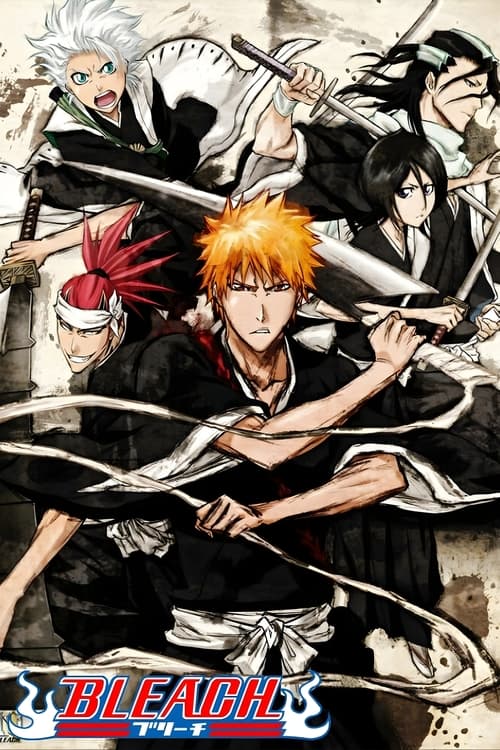
Bleach: Thousand-Year Blood War marks the long-awaited return of the Bleach anime, adapting the manga's final major storyline. As a new enemy emerges and threatens the balance of the Soul Society, Ichigo Kurosaki and his allies are drawn into a conflict that surpasses anything they have faced before. The series introduces new factions, expands the mythology of the Bleach universe, and raises the stakes for both familiar and newly introduced characters. With modern animation, cinematic direction, and a darker tone, this season revitalizes the franchise while continuing the story directly from the original anime.




A powerful return for Bleach that combines modern production values with the large-scale storytelling fans had waited years to see animated.
Bleach: Thousand-Year Blood War successfully reintroduces the franchise with stronger visuals, sharper pacing, and a more cinematic presentation than the original series. The season quickly establishes a sense of urgency as new threats emerge and long-standing mysteries begin to take shape. Studio Pierrot's upgraded animation elevates both action sequences and emotional moments, while the darker atmosphere gives the story greater weight. Returning viewers are rewarded with meaningful developments for beloved characters and a significant expansion of the series' lore. It serves as an exciting continuation that feels both faithful to Bleach's roots and refreshingly modern.
The Thousand-Year Blood War arc is a direct sequel to the original Bleach anime and should be watched afterward.
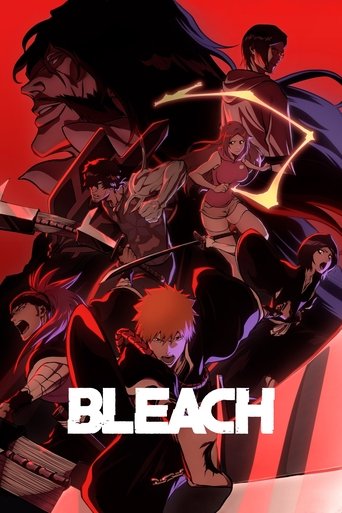
Verdict: A compelling continuation that elevates Bleach through intense confrontations, stronger character focus, and meaningful story progression.

Verdict: A playful isekai parody that uses humor and self-awareness to turn familiar fantasy tropes into a character-focused comedy.

The best hotels must meet certain standards, including the finest cuisine, ways to relax, and entertainment. Of course, they also need the best selection of weapons, reliable ways to falsify one's identity, and ways to dispose of evidence. In this hotel at the border of death stand two concierges, Ikuro Hoshi and Sara Haizaki. What kinds of requests will the assassins have for them next?

Lloyd is a white mage who was unexpectedly banished from the hero's party. As he was lost and uncertain, he happened to cross paths with an S-rank adventurer party in need of a white mage, so he joined them on their quest. Little did anyone know at the time that the hero's party would fall apart and Lloyd would rise to fame.
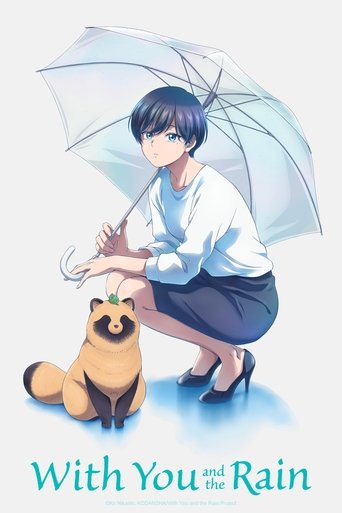
On a rainy day, Fuji meets a cute critter posing as a dog and offering an umbrella and a cue card that says, “Please take me home,” and she can’t resist. With this dog-poster’s quirky charm and mysterious ways, life together becomes a heartwarming adventure of friendship and shared seasons.

One of the Lords of Dark Beasts, Clevatess’s reign shatters when he revives a hero he personally slayed and adopts an orphaned humanoid baby—the last hope to save a dying world. Now bound together, what fate awaits this unlikely trio?
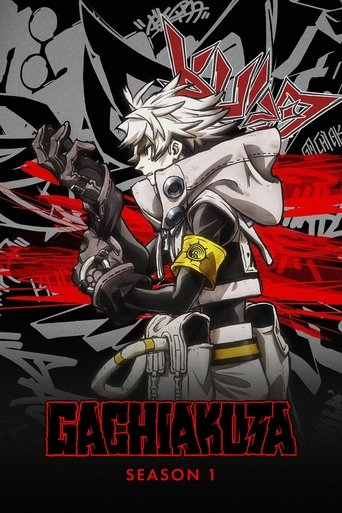
In a floating city where the rich discard their waste—and people—Rudo is framed for murder and thrown into the Pit, where a hellscape of mutated garbage beasts dwell. To survive, he must wield a new power and join the rogue Cleaners. Rudo doesn’t just aim to battle monsters, but the corrupt who cast him into Hell.
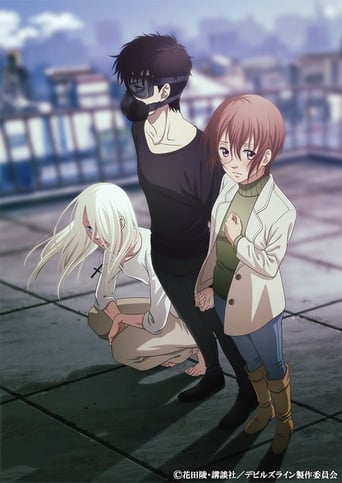
Tsukasa, a college student, is rescued from an attack by a devil, one of many vampires that can blend in among the human population. Anzai, her savior, is a half-devil who exploits his supernatural gifts as a member of a shadowy police task force that specializes in devil-related crime in Tokyo. As Anzai continues to keep guard over Tsukasa, the two quickly forge a tentative bond—one that Anzai fears will test his iron-clad rule of never drinking human blood...
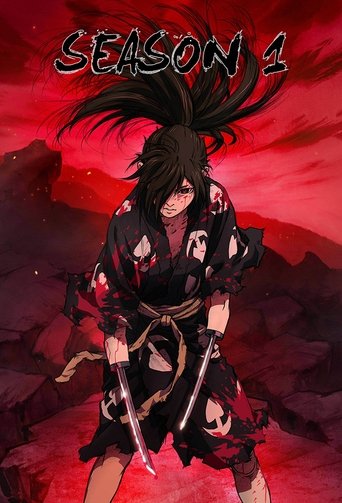
Verdict: A gripping historical fantasy that blends emotional storytelling, supernatural action, and compelling character growth.
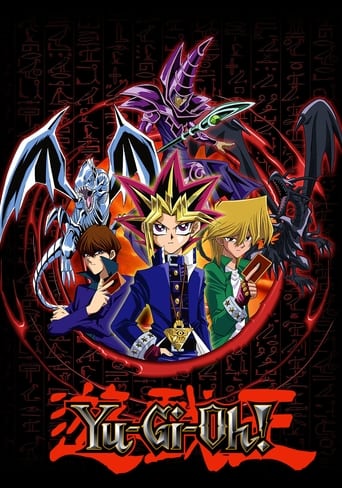
Bullies often target someone frail and weak—someone exactly like Yûgi Muto. He treasures his Millennium Puzzle, an ancient Egyptian artifact that was brought into his grandfather's game shop. Believing that solving the puzzle will grant him his wish, he completes the puzzle, unleashing a new personality within him, the soul of the "King of Games." The new personality named Yami Yûgi is the exact opposite of Yûgi. Upon any injustice toward him, Yami Yûgi takes over Yûgi's body and forces the opponent into a "Shadow Game".

A Happy alien, Takopi, lands on Earth with one mission: to spread happiness! When he meets Shizuka, a lonely fourth grader, he vows to bring back her smile using his magical Happy Gadgets. But as he uncovers the pain in her life, Takopi learns that true happiness may require more than gadgets.
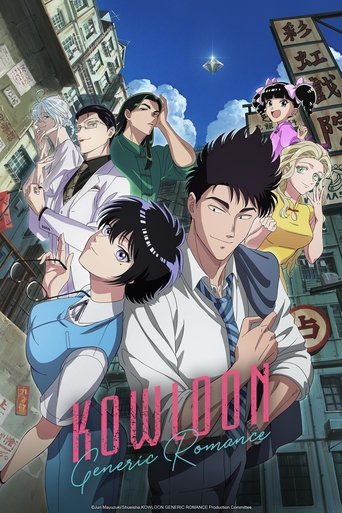
Real estate agents Reiko Kujirai and Hajime Kudo work in the nostalgic Kowloon Walled City. As they spend more time together, Reiko’s feelings for Hajime grow. But when she finds a photo of him and his former fiancée, she’s shocked to see the woman looks exactly like her. Reiko then realizes a chilling truth: she has no memory of her past.
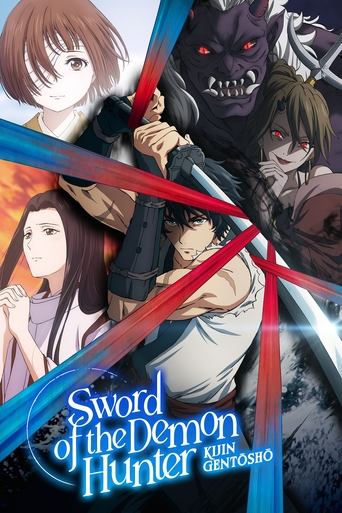
Jinta journeys through a century-spanning epic, all while questioning why he wields a sword.
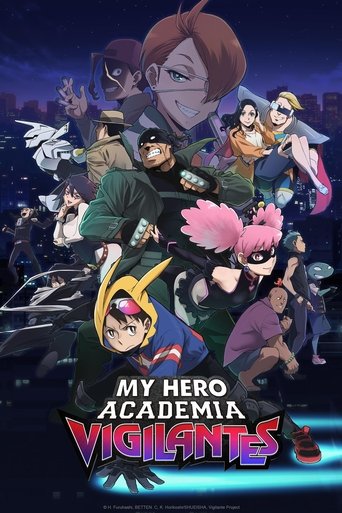
Koichi Haimawari is a dull college student who aspires to be a hero but has given up on his dream. Although 80% of the world’s population has superhuman powers called Quirks, few are chosen to become heroes and protect people. Everything changes for Koichi when he and Pop☆Step are saved by the vigilante Knuckleduster and get recruited to become vigilantes themselves!
Banished as "useless," Zenos, a self-taught healer from the slums, turns despair into defiance and opens a secret clinic in the city's shadows. With unlicensed, unmatched magic, he cures, comforts, and rights wrongs, quietly becoming a legend. But as his power grows, even the royal palace takes notice. Can he buck the odds and heal a world that cast him aside?
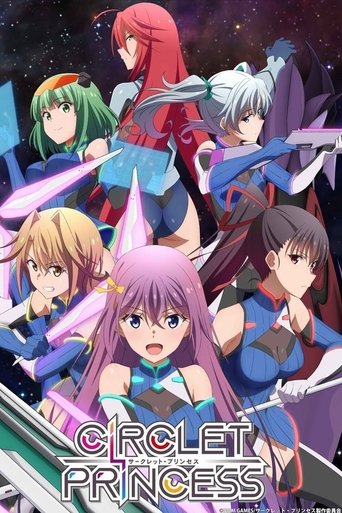
People's lives have changed because of VR and AR, and an competitive sport has born from these technologies called CB (Circlet Bout). CB can be competed between two schools and became an e-sport that decides the wealth of the schools. It also became the real ability of the school, which depends on not just the students' academic skills, but also on the data based on the sport ability, art, skills, etc.
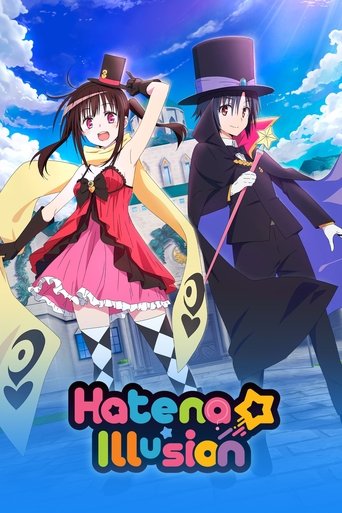
Years ago, many magical "Artifacts" were stolen and scattered throughout the world. They fell into the hands of people who were not supposed to know of their existence. The Hoshisato family of magicians has special access to the Artifacts, and they take it upon themselves to return them to their rightful place. Despite her inexperience, Kana wishes to aid her parents, doing her best to improve. Meanwhile, her childhood friend Makoto has come to their mansion to study magic under her father's tutelage. Hatena is excited to see her friend again, only to be utterly disappointed when the person she thought to be a girl all these years turns out to be a boy. Before long, Makoto comes to know of the Artifacts. Unfazed, he continues to strive to fulfill his promises and stay true to why he learns magic - to ease the sadness of people around him and, most importantly, to become a person worthy of being Hatena's partner.
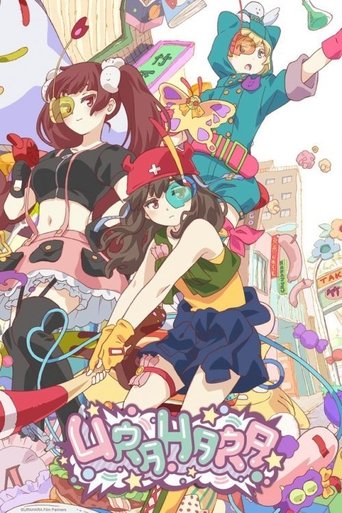
Three high school girls are putting together a limited-time shop called "PARK" in Japan's Harajuku. One day, aliens come to Earth with the intent to steal the famed district's culture. At the same time, a mysterious girl appears. The three girls band together to defeat the alien threat and protect their beloved Harajuku.

Life isn't easy in feudal Japan... especially since the aliens landed and conquered everything! Oh sure, the new health care is great, but the public ban on the use of swords has left a lot of defeated samurai with a difficult decision to make concerning their future career paths! This is especially true if, as in the case of Gintoki Sakata, they're not particularly inclined towards holding a day job, which is why Gintoki's opted for the freelance route, taking any job that's offered to him as long as the financial remuneration sounds right. Unfortunately, in a brave new world filled with stray bug-eyed monsters, upwardly mobile Yakuza and overly ambitious E.T. entrepreneurs, those jobs usually don't pay as well as they should for the pain, suffering and indignities endured!
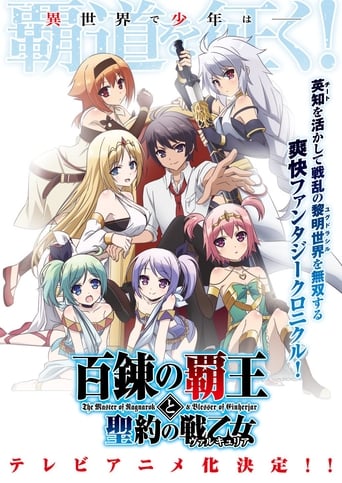
Yuuto Suoh gets more than he bargained for when he joins his childhood friend Mitsuki Shimoya in testing out an urban legend. When he uses his phone to take a picture of himself with the local shrine's divine mirror, he is whisked off into another world – one heavily steeped in the lore of the old Norse myths. Using his knowledge gained from school and from his solar-powered smartphone, he has the chance to bring the Wolf Clan, the same people who cared for him, to prominence, all while earning the adoration of a group of magic-wielding warrior maidens known as the Einherjar.

On his high school graduation day, Itsuki's cousin, Mahiru, tells him that she's pregnant. Just then, a gate of light emerges and transports the two into the world of Granvania. In this land, "Impurities" have been causing a disturbance to the Stars, ultimately plunging Granvania into chaos and disorder. And Itsuki, now revealed to be one who is fated to meet with the "Star Maidens", is seen as Granvania's last hope and was thus given the task to produce "Star Children" and combat the "impurities". And unless the task is complete, Itsuki may never be able to return home.

The adventures of the Yorozuya gang and their friends.
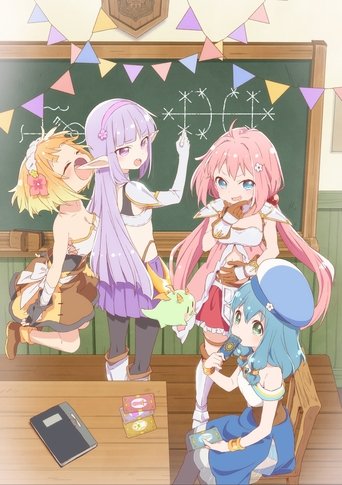
Naral Island, a continent with swords and magic in which humans and monsters coexist. The terrible Demon King lives there. In ancient times, the first-generation hero defeated the Demon King. Over the many successive generations since then, the Demon King has been resurrected, and the hero who opposes him has likewise reappeared. Girls attend a school for adventurers in order to defeat the Demon King when he appears again. Though a bit absent-minded, Yusha has the body of a hero. The holy elf Seyla's trouble never ends because she is too serious. The cheerful warrior Fai loves to eat. Mei is a quiet otaku magician. As the four girls aim to be in the hero party, they live relaxed fantasy lives and show no sign of defeating the Demon King no matter how much time passes.
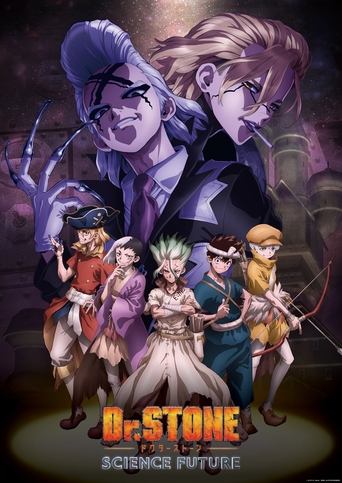
Verdict: An exciting continuation that expands Dr. STONE's scientific adventure while raising the scale of its ambitions and discoveries.
Not every anime is for everyone. Here's who is most likely to enjoy this series.
The Thousand-Year Blood War stands out as both a continuation and a reinvention of Bleach. By combining modern animation technology with the franchise's established strengths, it delivers larger battles, deeper lore, and a more cinematic approach to storytelling than previous arcs.
The series features dramatically improved animation, lighting, and action choreography compared to the original adaptation.
New factions, abilities, and historical revelations broaden the scope of the Bleach universe.
The season adopts a more serious tone that emphasizes the scale and consequences of the conflict.
Additional scenes and creator involvement help enrich the source material while preserving its core story.
Interesting facts, production notes, and lesser-known details about this Anime
The anime adapts the final major arc of Tite Kubo's Bleach manga, which was not covered in the original television series.
Bleach returned to television in 2022 after a decade-long hiatus following the end of the original anime in 2012.
Studio Pierrot significantly upgraded the animation quality, production techniques, and visual direction for the new adaptation.
Tite Kubo worked closely with the production team and contributed additional material that was not fully explored in the manga.
These are some of the most common questions viewers ask before watching Bleach: Thousand-Year Blood War.
Yes. It modernizes the franchise with excellent animation, stronger pacing, and some of the most important story developments in Bleach.
No. The series is a direct continuation and assumes familiarity with the characters, world, and previous events.
Watch the original Bleach anime first, then continue with Thousand-Year Blood War and its subsequent parts.
No. It serves as the opening portion of a multi-part adaptation that continues in later seasons.
Yes. The story features higher stakes, a more serious tone, and a greater focus on the consequences of war.